
WHEN THE SCHOOL
IS NOT SUPPORTING
YOUR CHILD...
THEN WHAT?
You’ve spoken to them.
You’ve trusted the process.
You’ve tried to do the right thing.
But your child is still struggling, unsafe,
or being overlooked.

WHEN THE SCHOOL
IS NOT SUPPORTING
YOUR CHILD...
THEN WHAT?
The usual process doesn’t
always change the outcome.
You’ve spoken to the school.
You’ve trusted the process.
You’ve tried to do the right thing.
But your child is still struggling,
unsafe, or being overlooked.

REAL-WORLD
EXPERIENCE
This is not theory. Everything
here comes from navigating
the system in real time - meetings, escalation, and pushing for actual
outcomes when nothing was changing.

CLEAR
STRATEGY
You are not given a roadmap
when things go wrong. This
shows you exactly how to respond,
what to say, and how to stop
going in circles.

OUTCOME
FOCUSED
This is not about process
or reassurance. It is about
creating movement - safer
environments, proper support,
and real accountability.
"This isn't a behaviour problem. It's an access problem."
REAL-WORLD EXPERIENCE
This is not theory. Everything
here comes from navigating
the system in real time - meetings, escalation, and pushing for actual
outcomes when nothing was changing.
CLEAR
STRATEGY
You are not given a roadmap
when things go wrong. This
shows you exactly how to respond,
what to say, and how to stop
going in circles.
OUTCOME
FOCUSED
This is not about process
or reassurance. It is about
creating movement - safer
environments, proper support,
and real accountability.
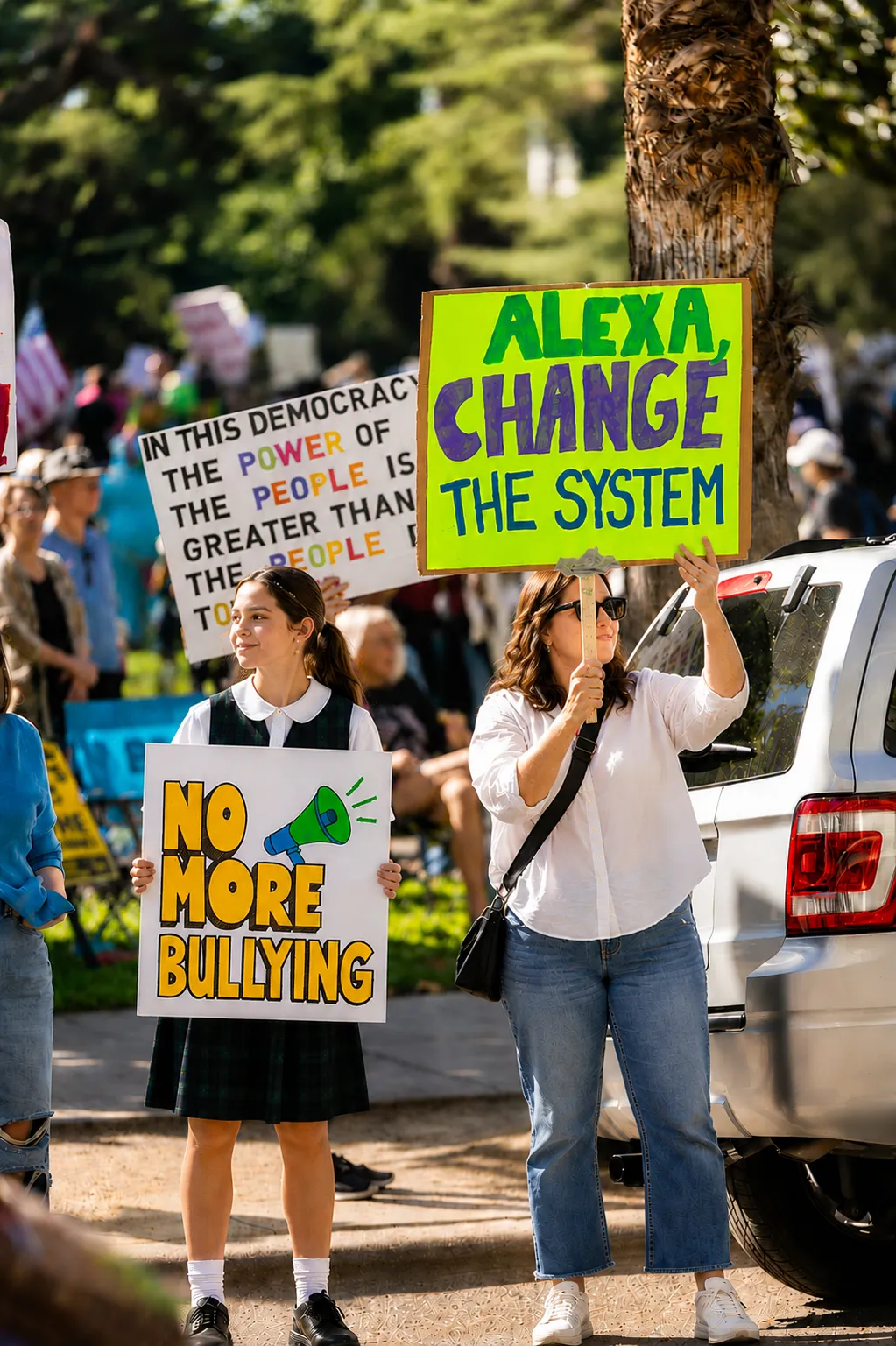
My Story
I once thought I was failing as a parent.
I believed I wasn’t doing enough, that I needed to try harder, explain better, be calmer - because that’s what I was being led to believe.
I sat in meetings, listened to what the school said, followed the advice, trusted the process - and still nothing changed.
More meetings. More conversations. More reassurance that things were being “managed.”
Yet the outcome for my child stayed the same.
Over time, something didn’t add up.
If everything was working, why wasn’t anything improving?
So I stopped asking what I needed to do differently as a parent, and started asking a different question:
What if the problem wasn’t me?
And what if it wasn’t my child either?
What if the issue was the system itself - a system that follows process, but doesn’t always lead to meaningful change, and where outcomes can be unclear or inconsistent? And alongside that, I began to understand something even bigger. In Australia, there is no national Human Rights Act that guarantees enforceable outcomes for a child’s access to education. Which means that while support may be discussed, there is often no clear mechanism to ensure it is actually delivered in a way that changes the outcome.
So what you are often navigating is not just a system - but the limits of how that system is structured and enforced. Because once you see that, everything shifts.You understand why things can feel like they’re going in circles, why escalation doesn’t always resolve it, and why waiting doesn’t necessarily lead to improvement.
The system doesn’t always operate in a way that leads to the outcomes it is intended to achieve.
My Story
I once thought I was failing as a parent.
I believed I wasn’t doing enough, that I needed to try harder, explain better, be calmer - because that’s what I was being led to believe. I sat in meetings, listened to what the school said, followed the advice, trusted the process - and still nothing changed. More meetings. More conversations. More reassurance that things were being “managed.”
Yet the outcome for my child stayed the same.
Over time, something didn’t add up.
If everything was working, why wasn’t anything improving?
So I stopped asking what I needed to do differently as a parent, and started asking a different question:
What if the problem wasn’t me?
And what if it wasn’t my child either?
What if the issue was the system itself - a system that follows process, but doesn’t always lead to meaningful change, and where outcomes can be unclear or inconsistent? And alongside that, I began to understand something even bigger. In Australia, there is no national Human Rights Act that guarantees enforceable outcomes for a child’s access to education. Which means that while support may be discussed, there is often no clear mechanism to ensure it is actually delivered in a way that changes the outcome.
So what you are often navigating is not just a system - but the limits of how that system is structured and enforced. Because once you see that, everything shifts.You understand why things can feel like they’re going in circles, why escalation doesn’t always resolve it, and why waiting doesn’t necessarily lead to improvement.
The system doesn’t always operate in a way that leads to the outcomes it is intended to achieve.
You are not being difficult. You are responding to something that isn’t working. You'll need a PLAN B in the meantime while waiting for the education system to fix itself. This is why I'm here to try and help you.
You are not being
difficult. You are responding
to something that isn’t working. So until the
Education Dept truly
includes everyone, you'll
likely need a PLAN B as you
try to navigate the system.
You are not alone in this
I didn’t set out to learn legislation, understand policy, or work out how to navigate a system this complex. I didn’t plan to sit in meetings, analyse decisions, or figure out how to challenge them - but when nothing was changing for my child, I had no other choice. I had to learn it, because their safety, education, and future depended on it.
Everything I know came from being in it - from meetings that went nowhere, from trying to make sense of what was being said versus what was actually happening,
from late nights trying to understand processes that were never clearly explained. You start to realise that when things don’t work, there isn’t always a clear pathway for that - because it was built on the assumption that it does work. And when it doesn’t, you can be sent in circles, often through processes that focus on steps, not outcomes, where it’s not always clear whether anything actually changes.
For a long time, it can feel incredibly isolating. Like you’re the only one questioning it. Like you’re overthinking it. Like maybe it is you. But what I came to realise is this - you are not alone. There are so many parents in this exact position, trying to hold everything together while navigating something they were never taught how to manage.
This is not about you failing. This is about a system that doesn’t always respond effectively when things don’t go as expected. And when you understand that, you stop questioning yourself and start approaching it differently.
That’s why this exists. Not because parents need more judgment or more pressure - but because they need clarity, direction, and someone to say:
✦ You’re not imagining this
✦ You’re not the problem
✦ and you don’t have to keep doing it the same way
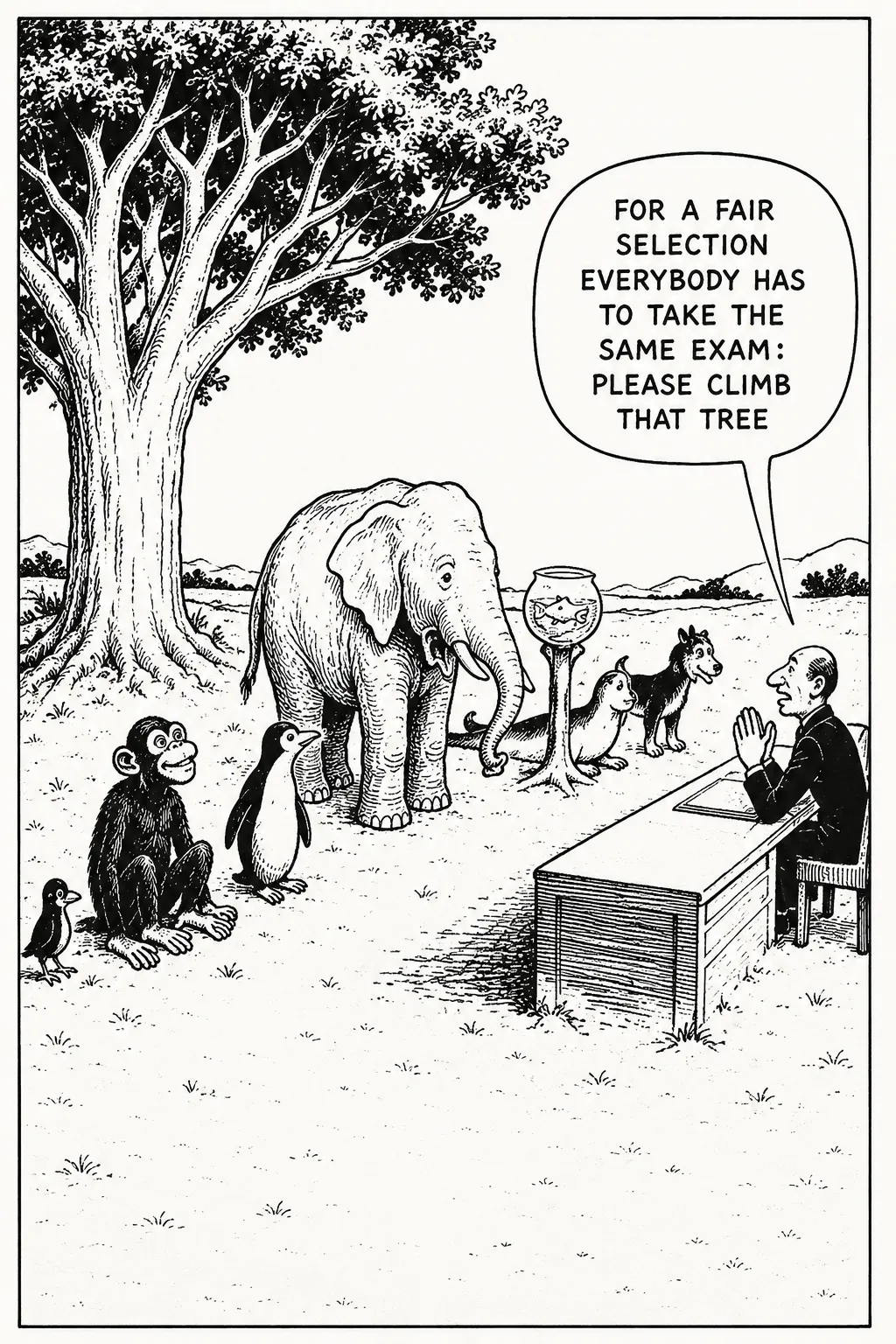
You are not alone in this
I didn’t set out to learn legislation, understand policy, or work out how to navigate a system this complex. I didn’t plan to sit in meetings, analyse decisions, or figure out how to challenge them - but when nothing was changing for my child, I had no other choice. I had to learn it, because their safety, education, and future depended on it.
Everything I know came from being in it - from meetings that went nowhere, from trying to make sense of what was being said versus what was actually happening,
from late nights trying to understand processes that were never clearly explained. You start to realise that when things don’t work, there isn’t always a clear pathway for that - because it was built on the assumption that it does work. And when it doesn’t, you can be sent in circles, often through processes that focus on steps, not outcomes, where it’s not always clear whether anything actually changes.
For a long time, it can feel incredibly isolating. Like you’re the only one questioning it. Like you’re overthinking it. Like maybe it is you. But what I came to realise is this - you are not alone. There are so many parents in this exact position, trying to hold everything together while navigating something they were never taught how to manage.
This is not about you failing. This is about a system that doesn’t always respond effectively when things don’t go as expected. And when you understand that, you stop questioning yourself and start approaching it differently.
That’s why this exists. Not because parents need more judgment or more pressure - but because they need clarity, direction, and someone to say:
✦ You’re not imagining this
✦ You’re not the problem
✦ and you don’t have to keep doing it the
same way
What you need to understand
This system is not broken - it’s functioning as designed, but it is not built to deliver outcomes for your child. It follows process, documents steps, and says the right things, but there is no outcome and no accountability tied to whether anything actually improves.
That is why parents get stuck waiting, trusting, and hoping something will change when it doesn’t. Once you understand that - and I show you exactly how to apply it in real conversations - everything starts to shift. You stop relying on the system to fix itself and start approaching it differently, with clarity, direction, and a far more strategic way of communicating that actually leads somewhere.
Not louder, not more emotional - just clearer, more direct, and grounded in what needs to change so that something finally does.
Once you see it - you can’t unsee it.
How I can help you...
I do this because I went through it and realised how long parents are left trying to make something work that simply isn’t. I trusted the system, followed the steps, escalated where I was told to escalate, and still ended up in the same place - repeating conversations, being reassured things were being handled, while nothing actually changed. It wasn’t until I stopped relying on the process and changed how I approached it that things started to move.
That’s why I’m here - so you don’t spend months or years going in circles, trying to work this out on your own. I don’t just explain how this system operates, I guide you through how to respond to it, so you’re not left second guessing what to say, how to say it, or what to do next when it matters most.
Most families don’t have the time, money, or energy to keep escalating this.
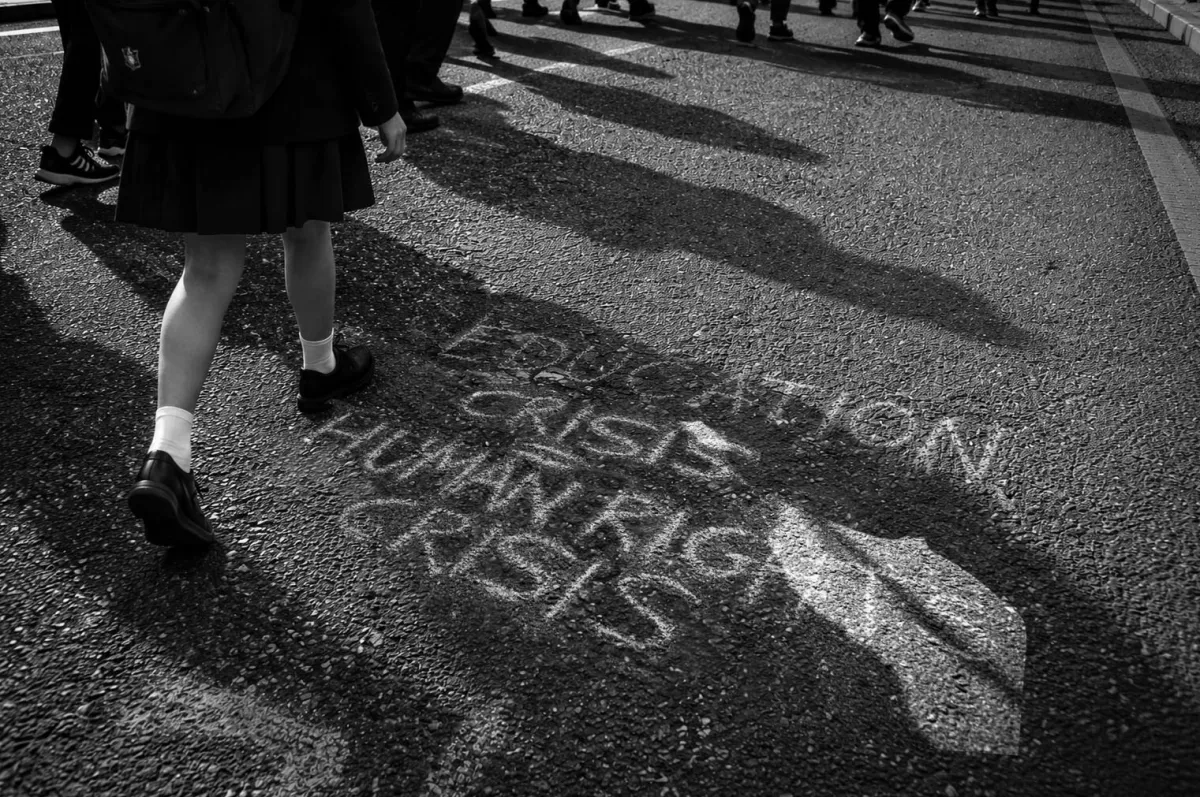
Do you have a spare $500K, how about $50K, just so you can take the system to court every time something goes wrong?
Most parents don’t.
And even if you did - is that what it should take to:
✦ stop bullying
✦ stop suspensions
✦ get basic adjustments
✦ keep your child safe
✦ or have a school actually respond properly
Because that’s the reality.
Legal advice, advocacy support, fighting decisions - it adds up quickly.
And most families simply don’t have the time, money, or capacity to keep doing that every time something isn’t handled properly.
There has to be a better way to do this.
This is about understanding how to handle these situations earlier, more clearly, and more strategically - so you’re not pushed into expensive, exhausting escalation just to get basic outcomes.
“When support isn’t given, that’s not a variable. That’s a decision.”
Important to Know
I'm not a lawyer or psychologist. I’m a parent with lived experience who has had to navigate this system and work out how it actually operates. What I can give you is clarity about what to do when it matters - so you’re not left second-guessing yourself or spending years going around in circles.
More communication does not necessarily mean better advocacy. Schools have long been able to place restrictions around parent communication, and the NSW School Community Charter expressly allows restricted contact in response to unacceptable behaviour, including what it describes as “inappropriate and time wasting communication.” NSW is also considering the Education Amendment (School Community Safety) Bill 2026, which would create stronger statutory powers to restrict contact with staff and access to school-related places.
That is why the goal is not ten emails. Send the right email. Ask for a clear outcome. Document the response. Know when to follow up, when not to engage, when to push back and when to escalate. Keep the focus on your child and the outcome they need - not on you. Don't let an unresolved issue become a communication battle where the original problem disappears and the parent's behaviour becomes the story.

What this can look like instead
What this can look like instead
It doesn’t have to stay like this. Right now, everything
can feel reactive - like you’re constantly waiting for the
next issue, the next call, the next meeting that goes nowhere, second guessing what you said or what you should have said.
But when this shifts, it doesn’t mean everything becomes perfect - it means you stop feeling lost in it. You start walking into conversations knowing what you’re going to say, you stop overexplaining and hoping they understand, and instead you stay clear, direct, and in control of how things are being handled. This is the shift that happens when you’re shown how to approach this differently - not just told what’s wrong - and it’s what creates movement.
You know how to respond when things are vague, how to bring it back when it’s minimised, and how to stop things from drifting without getting pulled into emotion or going in circles. And that starts to change things - clearer responses, earlier action, and a situation where your child is no longer carrying the same level of stress day in and day out. This is not about having all the answers, it’s about no longer guessing your way through it - and that alone changes everything.
This is your permission
This is your permission to stop staying quiet, to stop thinking it
will fix itself, and to stop following a process that isn’t leading
anywhere. Permission to question what isn’t changing, to push
back when something isn’t working, and to expect an outcome -
not just words.
Because once you understand how the system operates, you
stop playing by rules that don’t serve your child and start
approaching it in a way that actually creates change.

This is your permission
This is your permission to stop staying quiet, to stop thinking it will fix itself, and to stop following a process that isn’t leading anywhere. Permission to question what isn’t changing, to push
back when something isn’t working, and to expect an outcome -not just words.
Because once you understand how the system operates, you stop playing by rules that don’t serve your child and start
approaching it in a way that actually creates change.
The BIGGER Picture
What I’ve come to understand is this - when something isn’t working and continues not to work, it’s not something you simply accept, it’s something you question. This is not just about one child or one situation, it’s about recognising that there is a gap between what should happen and what actually happens, and deciding not to accept that gap as normal.
You don’t need to be in a position of power to create change, you just need to be willing to keep going when nothing seems to be moving, to question what doesn’t make sense, and to stop taking “no” as the end of the conversation when the outcome hasn’t been achieved.
Support and safety should never depend on what teacher your child gets, what training someone has, or whether someone chooses to act - it should be consistent, clear, and outcome-based, and right now, it isn’t. Change doesn’t come from staying quiet - it comes from parents who keep chipping away, asking better questions, and refusing to accept that nothing changing is an acceptable result. And no - it shouldn't be this hard. I'm more just hoping that by doing all this it makes it that little less hard for you along the journey you are on now trying to help your child. Perhaps too we can all leave a legacy behind of a more user friendly education system for the next parents behind us looking for help to support their child as well.
You are not overreacting. You are not imagining it. You are not a shit parent.
If something isn’t working for your child, that matters.
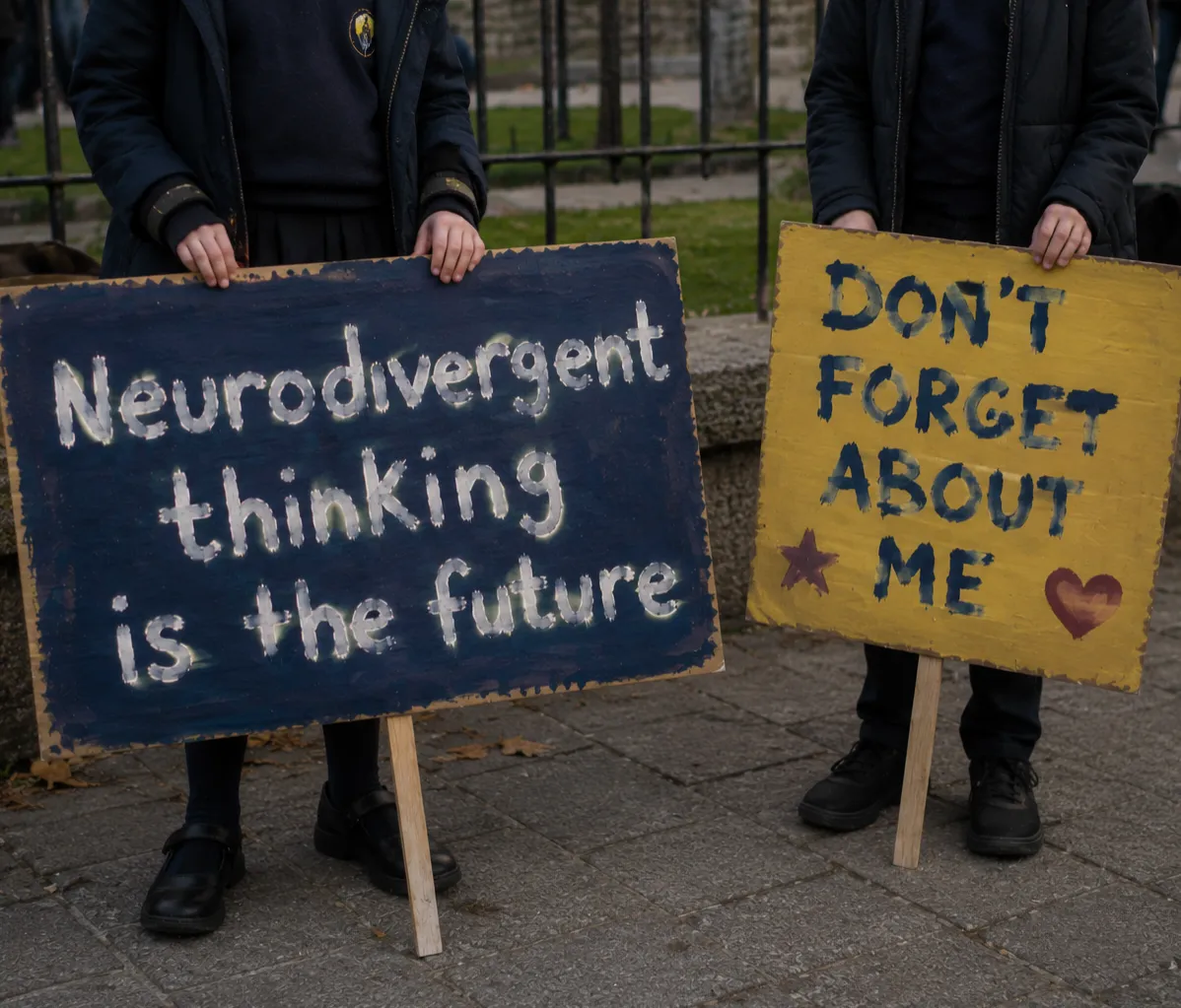
It doesn’t have to stay like this. You don’t have to do this out on your own.
You’ve already been doing this on your own.
Trying to work it out.
Trying to say the right thing.
Trying to get the right response.
And carrying all of that while your child is the one affected.
That’s exhausting.
And it’s not how this should have to be done.
This is where it changes.
Not by doing more.
Not by trying harder.
But by approaching it differently — with the right structure,
the right language, and the right support
behind you so you’re not left second guessing every step.
Now you have a choice.
Stop going round in circles.
Start doing things differently.
Stop going round in
circles. Start doing
things differently.
Free Starter Resources
essential guides to help you take the first step
advocacy starter Kit
FREE
Understand how the system works,
why nothing is changing, and what
to say to start advocating with
clarity and confidence.
Clarity. Confidence. A Way Forward
GipA request GUIDE
FREE
Access information schools already hold to understand decisions,
uncover what is recorded, and use evidence to strengthen your position

Clarity. Confidence. A Way Forward
create an inclusive p&c
FREE
Create a more inclusive school environment by building a strong disability voice within your P&C and influencing key decisions.
Clarity. Confidence. A Way Forward
Advocacy Toolkits
practical step-by step toolkits for the issues that matter
Advocacy Toolkits
practical step-by step toolkits
for the issues that matter

Violence Toolkit
Understand your options after violence or serious incidents at school. Learn how to document what happened, ask the right questions, request appropriate safety measures and use practical scripts that keep the conversation focused on accountability and your child's safety..........AU $30.00
Harmful Communication Toolkit
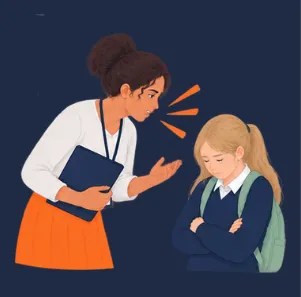
Learn how to respond when communication becomes dismissive, defensive or avoids the real issue. This toolkit provides practical scripts, email examples and strategies to redirect conversations, ask outcome-focused questions and keep meetings productive and respectful.......AU$30.00

Bullying Toolkit
Know what to say, what to document and how to respond when bullying isn't being addressed. This toolkit includes practical scripts, email templates, meeting questions and step-by-step guidance to help you advocate confidently and keep the focus on outcomes for your child.........AU$30.00

Advocacy Toolkit
Learn the core skills every parent needs to advocate with confidence. This toolkit brings together practical strategies, meeting scripts, communication guides and planning tools to help you stay organised, ask better questions and keep the focus on achieving positive outcomes for your child...........AU$30.00
Discrimination Toolkit
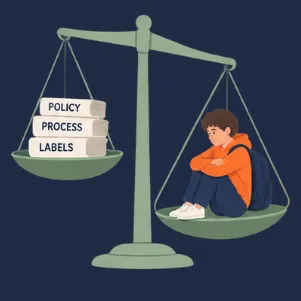
Understand what disability discrimination can look like at school and how to respond with confidence. This toolkit includes practical scripts, meeting questions, email templates and guidance to help you explain concerns clearly, request reasonable adjustments and keep discussions focused on your child's needs...........AU$30.00
Suspension Toolkit
Know what to do before, during and after a suspension. This toolkit provides practical scripts, key questions, planning guides and follow-up templates to help you understand the process, protect your child's rights and advocate for better outcomes moving forward............AU$30.00
Violence Toolkit
Understand your options after violence or
serious incidents at school. Learn how to
document what happened, ask the right
questions, request appropriate safety
measures and use practical scripts that keep
the conversation focused on accountability
and your child's safety..........AU $30.00
Harmful Communication Toolkit
Learn how to respond when communication becomes dismissive, defensive or avoids the real issue. This toolkit provides practical scripts, email examples and strategies to redirect conversations, ask outcome-focused questions and keep meetings productive and respectful.......AU$30.00
Bullying Toolkit
Know what to say, what to document and how to respond when bullying isn't being addressed. This toolkit includes practical scripts, email templates, meeting questions and step-by-step guidance to help you advocate confidently and keep the focus on outcomes for your child.........AU$30.00
Advocacy Toolkit
Learn the core skills every parent needs to advocate with confidence. This toolkit brings together practical strategies, meeting scripts, communication guides and planning tools to help you stay organised, ask better questions and keep the focus on achieving positive outcomes for your child...........AU$30.00
Discrimination Toolkit
Understand what disability discrimination can
look like at school and how to respond with
confidence. This toolkit includes practical
scripts, meeting questions, email templates
and guidance to help you explain concerns
clearly, request reasonable adjustments
and keep discussions focused on your
child's needs...........AU$30.00
Suspension Toolkit
Know what to do before, during and after
a suspension. This toolkit provides practical
scripts, key questions, planning guides and
follow-up templates to help you understand
the process, protect your child's rights and
advocate for better outcomes moving forward............AU$30.00

© 2026 The Unapologetic Parent
Personal use only
Do not share or reproduce